YouTube
Getting Started hub
Dig Clean Getting Started | Dig & Clean 🧼 Complete Player Wiki
This getting started hub helps players learn the detector, digging, cleaning, museum, and selling loop before making expensive choices. Follow the verified detect, dig, clean, and decide sequence; compare one change at a time; keep cash for a defined goal; and confirm every live price, value, strength requirement, map rule, and interface label inside the current Roblox server before acting. Retest the full loop after each choice and keep the clearer result.
Evidence-awareObserved mechanics are separated from changing live values
Decision focusedEvery route solves a visible player bottleneck
Live checksCurrent game numbers remain the final reference
Connected guidesMove between systems without losing the core loop
Watch a Dig & Clean getting started route
Use this player-recorded example to recognize the current gameplay sequence. Treat the video as supporting gameplay, not official patch notes or a permanent price list.
About Dig & Clean getting started
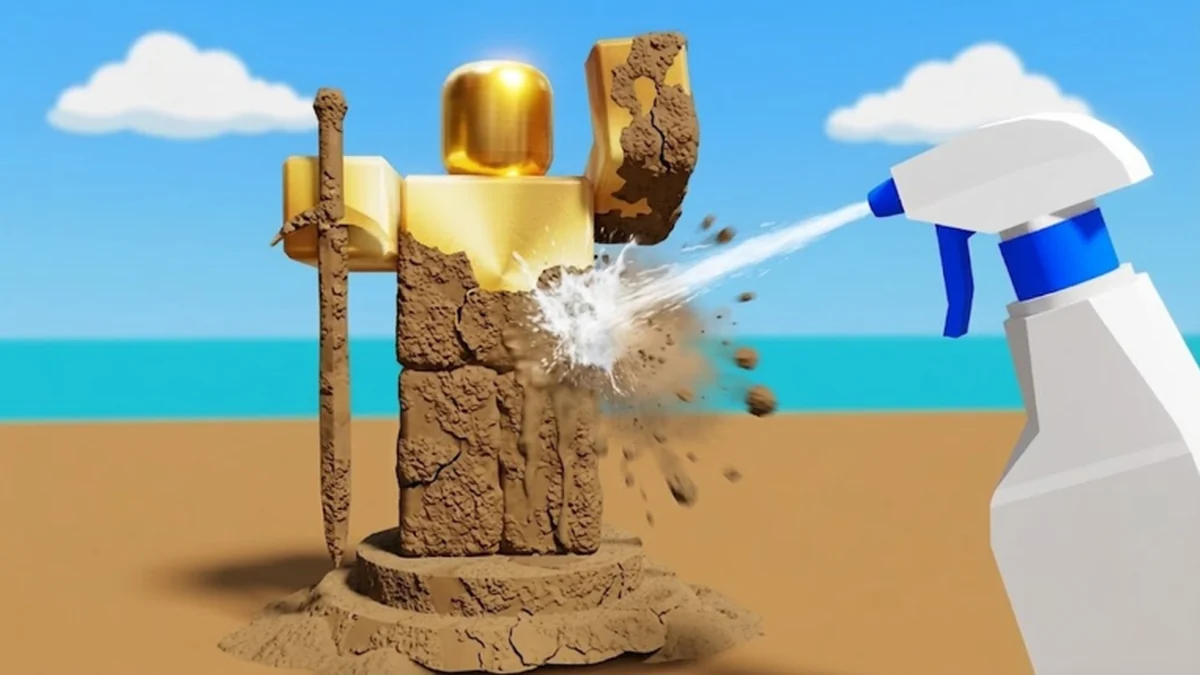
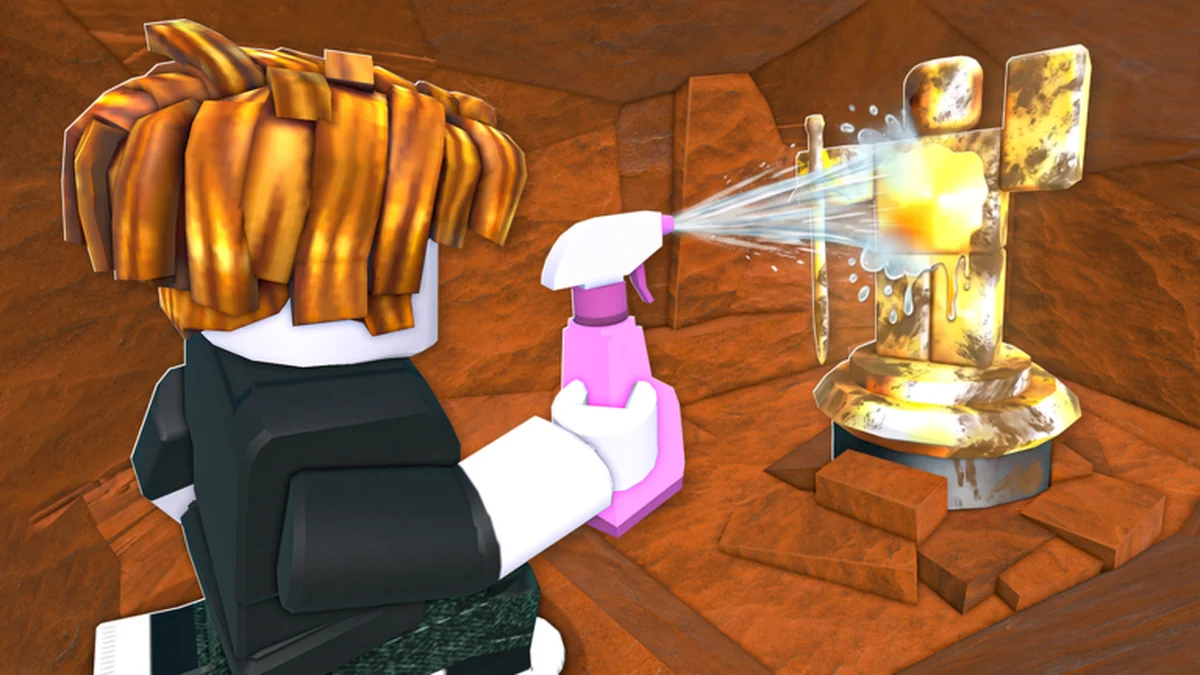
Dig & Clean follows a connected treasure loop rather than a set of isolated minigames. Players use the detector to reveal glowing underground spots, dig with a shovel, carry the dirty find back to the cleaning station, and spray it until its identity and live return appear. The useful decision comes after the reveal: improve an open or weak museum display, or sell the surplus for immediate cash.
This hub organizes that loop around the current player decision. A glow can signal rarity before excavation, but it does not guarantee that the equipped shovel can recover the target or reveal which object is buried. Higher-rarity spots may take more effort or require stronger gear. A reliable route therefore combines target selection with extraction capability instead of chasing every bright signal.
Equipment advice is intentionally based on bottlenecks. Shovel strength matters when targets are locked or slow; spray speed matters when dirty finds queue at the base; detector progress matters when finding worthwhile spots is the delay. Museum income and direct sales then fund the next improvement. Changing one step and retesting several full loops gives a clearer answer than buying every available tier in sequence.
Release-era gameplay supports the mechanics described here, but exact prices, values, map access, item rosters, and balance can change. The current Roblox client is the final authority for every number. Pages with incomplete roster evidence use visible boundaries instead of claiming a complete list, fixed ranking, guaranteed spawn, or permanent best choice.
Choose your next action
Pick the route that matches the slowest or least certain part of your current treasure loop.
I need beginner guide help
Open beginner guide guidance and choose one practical next action from current game information.
Open Beginner GuideI need budget calculator help
Open budget calculator guidance and choose one practical next action from current game information.
Open Budget CalculatorI need official links help
Open official links guidance and choose one practical next action from current game information.
Open Official LinksI want the complete directory
Browse the retained evidence-aware articles without invented values or hidden requirements.
Browse pagesFeatured getting started guide
Start with the clearest published getting started route, then use its related links to move to the next system.
All published getting started guides
Browse every retained Dig & Clean getting started article. Limited-evidence pages state what is unknown instead of filling gaps with guesses.
Guide
Dig Clean Beginner Guide | Dig & Clean 🧼 Wiki Guide 2026
Dig Clean Beginner Guide for Dig & Clean 🧼: verified steps, clear evidence limits, live checks, and a practical route for safer Roblox progress.
Guide
Dig Clean Progression Guide | Dig & Clean 🧼 Wiki Guide 2026
Dig Clean Progression Guide for Dig & Clean 🧼: verified steps, clear evidence limits, live checks, and a practical route for safer Roblox progress.
Guide
Dig Clean Tips And Tricks | Dig & Clean 🧼 Wiki Guide 2026
Dig Clean Tips And Tricks for Dig & Clean 🧼: verified steps, clear evidence limits, live checks, and a practical route for safer Roblox progress.
Explore more player resources
Frequently asked questions
Where should I start with Dig & Clean getting started?
Start with beginner guide, then use the live game to verify the exact value or requirement affecting your current decision.
Why are some lists described as limited?
The accepted evidence does not establish every current item, tier, cost, or stat, so those pages publish supported mechanics without pretending the roster is complete.
Which source wins when a number differs?
The current Roblox game interface is the final reference for prices, values, strength gates, map access, and balance.
How should I choose the next upgrade?
Watch where the full detector-to-museum loop slows or stops, change that one system, and compare several similar cycles.
Is this an official game website?
No. This is an independent fan-made resource; Roblox and Squeaky Clean! own and operate the official experience.
Put the getting started route into practice
Open the focused guide, make one evidence-based change, and verify the result across several complete treasure loops before spending again.